HARKNESS
FELLOWSHIPS TRUST

Harkness@100: From Boston bagels to 9/11 – reflections of a Harkness Fellow
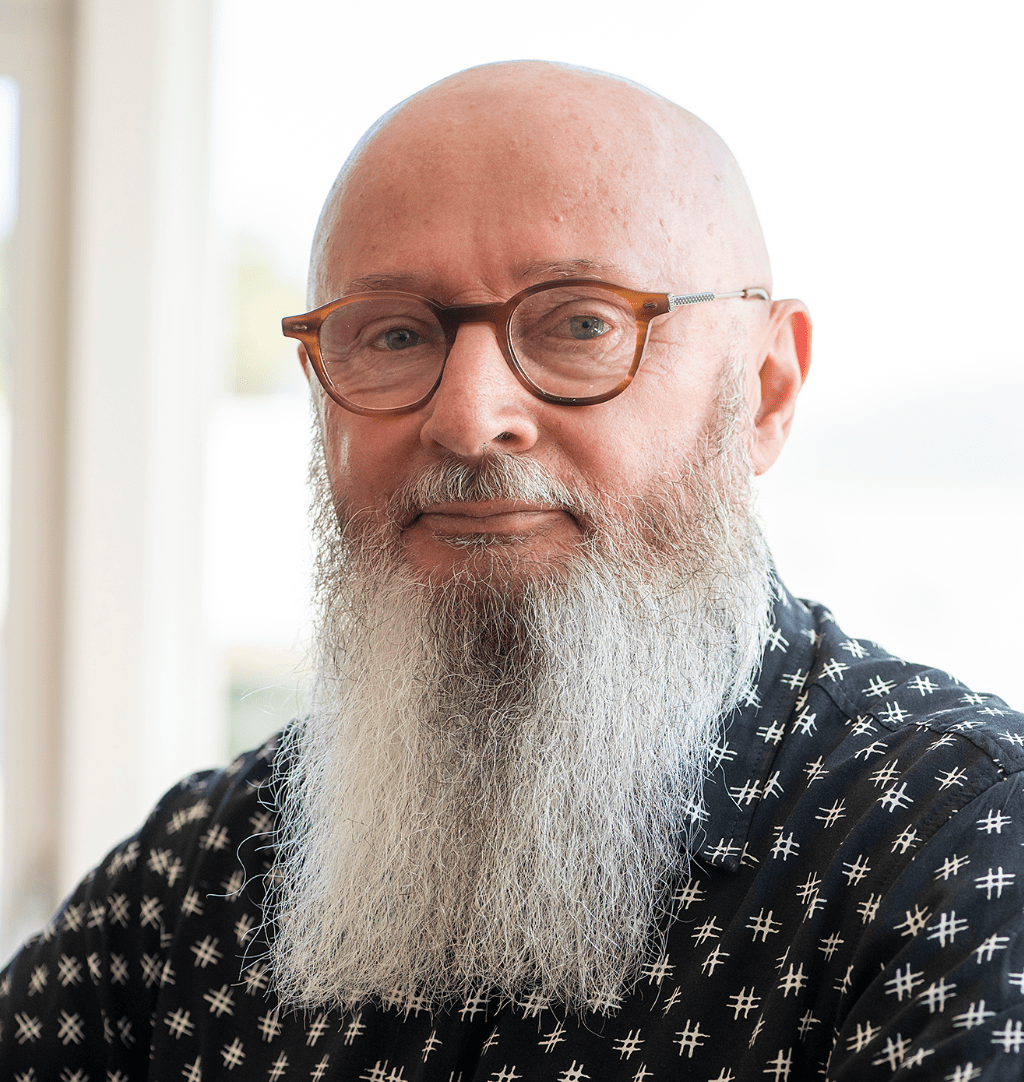
By John Hobbs
I undertook my Harkness scholarship over the 2001/02 period with two other New Zealanders, Rae Lamb, and Frances Hughes. My research was undertaken with the oversight of Professor David Bates of the Harvard Medical School.
I arrived in Boston in late August 2001 and found an apartment in the South End of Boston, which is a pretty swanky part of Boston. The best part of the day was prior to work when I would go to the Claremont Café across the street from my apartment before work. I would grab the New York Times, order a bagel, and cream cheese (lightly toasted) and a latte and sit down and read the news – this felt like bliss as I started my day.
My area of research was in the provision of e-health utilising various primary care innovations at the time, in particular the provision of doctor-patient health care via email. A defining moment of my Harkness was at our first get together as Harkness fellows at Harkness House in midtown Manhattan. It was early morning when someone came into the meeting room and whispered in Robin Osborne’s ear that a plane had gone into one of the Twin Towers.
We didn’t appreciate its gravity until that same person returned to say that one of the Twin Towers had collapsed. In shock, we went upstairs and witnessed the second Tower collapsing. Manhattan went into shutdown and I couldn’t get back to Boston for a few days. Rae used the opportunity to race down to Ground Zero to report on events from a New Zealand perspective. Frances and I went down to give blood the next day, but of course there was no need for blood.
Over the next year I was able to watch the US response to 9/11, attend many talks by people such as Noam Chomsky who were trying to make sense of the US response and its positioning in the world. At the same time I was doing research in a fabulous academic environment honing my research skills and in the process publishing four papers in peer-reviewed health journals. One of them related to the anthrax attack across the US trying to understand where people searched for trusted data on the risks.
This experience prepared me well to work within the health sector on my return. My main area of employment was in the Ministry of Health, which in turn provided me with the opportunity to work for three health Ministers and last, but not least, Minister Andrew Little when he was the Minister responsible for the response to the Royal Commission work on the Christchurch Terrorist Attack. I had been living in Palestine volunteering for Al Rowaad, a Palestinian NGO situated in the Aida Refugee Camp. It’s focus was on peace and conflict resolution through artistic expression. I studied Arabic in Bethlehem, Palestine; Amman, Jordan; and Beirut, Lebanon.
Building on my Harkness experience, I did a master’s degree in Peace and Conflict Studies (focusing on New Zealand’s foreign policy approach to the question of Palestine) and am now doing a PhD at the National Centre for Peace and Conflict Studies | Te Tumu School of Māori, Pacific & Indigenous Studies, Otago University. My PhD is focussing on how a decolonised New Zealand foreign policy might reframe our approach to international affairs, reflecting on New Zealand’s approach to the question of Palestine. I have written opinion pieces in the Otago Daily Times, Newsroom and E-Tangata, drawing on my PhD study.
Without a doubt, my Harkness experience proved invaluable in developing my research skills. Just as important, it gave me a deeper insight into the US’s engagement in international affairs. I have been able to use this experience to undertake my own research in foreign policy much later on after my return to New Zealand.
John Hobbs has been a career public servant, working in a number of government departments (most recently the Department of Prime Minister and Cabinet). He also worked for a number of Ministers on secondment from government agencies. He has a Master of Commerce (Hons) in Economics from the University of Auckland and a Master of Arts (Thesis) with Distinction in Peace and Conflict Studies, from the University of Otago. He is currently undertaking a PhD at the National Centre for Peace and Conflict Studies, Te Tumu School of Māori, Pacific and Indigenous Studies, Otago University.
References
The role of primary care non-physician clinic staff in e-mail communication with patientsInternational Journal of Medical Informatics
2004-05 | Journal article
DOI: 10.1016/j.ijmedinf.2004.02.004
Part of ISSN: 1386-5056
Contributors: A.F Kittler; J.S Wald; L.A Volk; L Pizziferri; Y Jagannath; C Harris; M Lippincott; T Yu; J Hobbs; D.W Bates
Source:
John Hobbs
Preferred source (of 2)
The Internet as a Vehicle to Communicate Health Information During a Public Health Emergency: A Survey Analysis Involving the Anthrax Scare of 2001
Journal of Medical Internet Research
2004-03-03 | Journal article
DOI: 10.2196/jmir.6.1.e8
Part of ISSN: 1438-8871
Contributors: Anne F Kittler; John Hobbs; Lynn A Volk; Gary L Kreps; David W Bates
Source:
John Hobbs
Communicating Health Information to an Alarmed Public Facing a Threat Such as a Bioterrorist Attack
Journal of Health Communication
2004-01 | Journal article
DOI: 10.1080/10810730490271638
Part of ISSN: 1081-0730
Part of ISSN: 1087-0415
Contributors: JOHN HOBBS; ANNE KITTLER; SUSANNAH FOX; BLACKFORD MIDDLETON; DAVID W. BATES; John Hobbs
Source:
John Hobbs
Opportunities to enhance patient and physician e-mail contact
International Journal of Medical Informatics
2003-04 | Journal article
DOI: 10.1016/s1386-5056(03)00007-8
Part of ISSN: 1386-5056
Contributors: John Hobbs; Jonathan Wald; Yamini S. Jagannath; Anne Kittler; Lisa Pizziferri; Lynn A. Volk; Blackford Middleton; David W. Bates
Harkness@100: Culture shock and curiosity – A Harkness Fellow’s journey across America
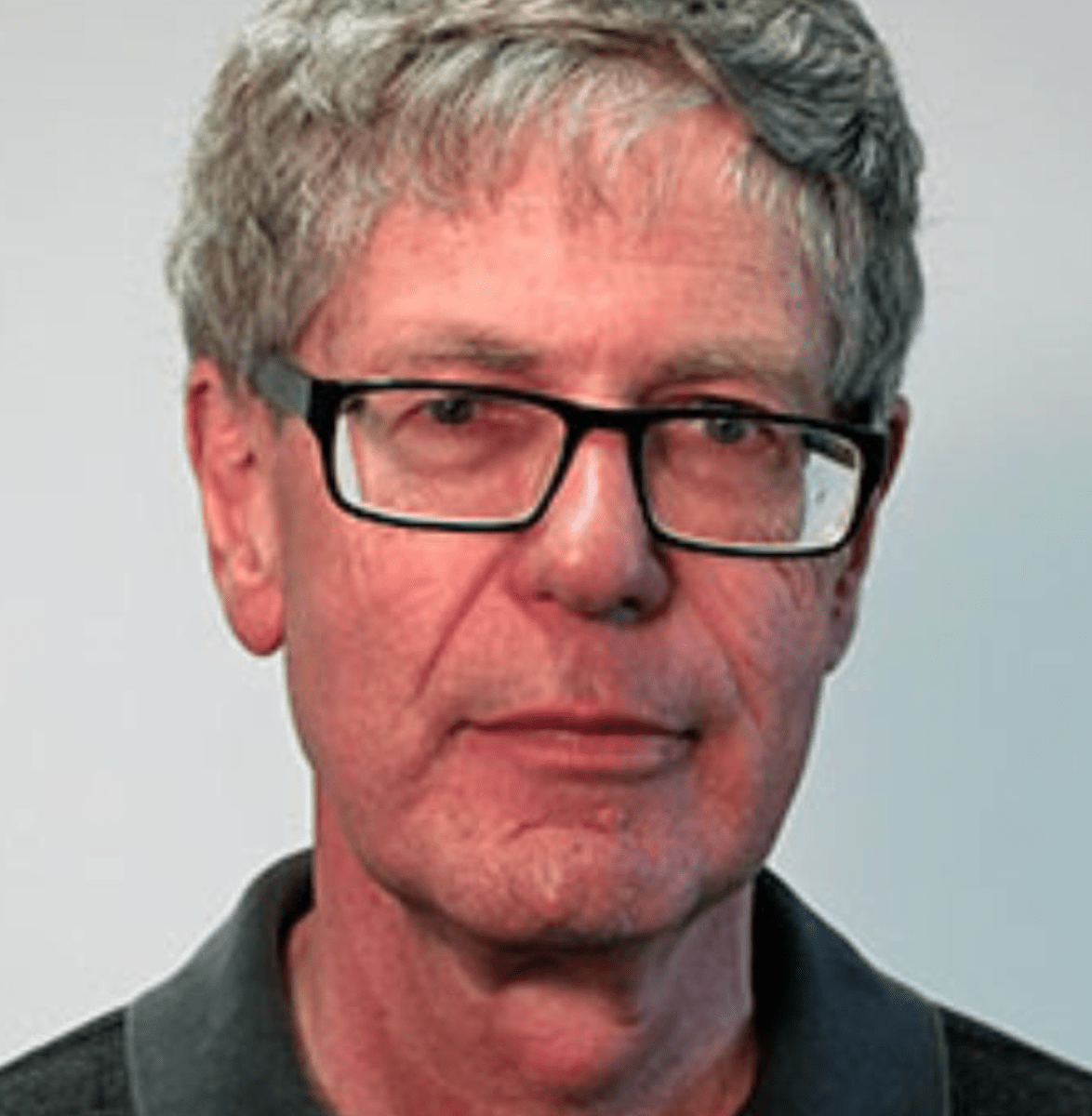
By Andrew Carstairs-McCarthy (former Professor of Linguistics at the University of Canterbury, Christchurch)
I was awarded a Harkness Fellowship by the UK Harkness Committee in 1969. This funded me for 21 months as a PhD student in linguistics at the Massachusetts Institute of Technology. So I am hardly typical of Harkness beneficiaries resident in New Zealand today! Even so, I hope that what I say about my experience may strike a chord with other past or potential Fellows.
New Zealanders and British people have the English language in common with Americans. It can therefore be a shock to discover how far our cultures diverge. As a condition of my fellowship I was required to spend three months travelling around the USA.
I still have the diary I kept during that adventure. On 11 June 1970 I arrived by bus in Natchez, Mississippi. As I carried my rucksack on my way to a motel, a man stopped me in the street and asked me where I was from. On hearing that I was from London, he told me his son had married an English girl there. He understood that London was a large and impressive city. Why, then, had I come to Natchez? The notion of travel to broaden the mind was strange to him.
The next day I was stopped again by an intensely suspicious policeman. Hearing that I was studying at MIT did nothing to allay his suspicions. No doubt he recalled that, only a month earlier, two students had been shot dead by police at a college in the state capital, Jackson, while demonstrating against the Vietnam War. Eventually, however, my accent persuaded him that I was harmless.
The distinction between the USA’s coastal states (such as New York and California) and the ‘fly-over country’ between them is familiar. Alongside that is the attitude displayed by a fellow-student at MIT, who was horrified to hear that I was planning to visit some southern states during my bus trip.
For her, ‘the South’ seemed not merely culturally alien but also physically dangerous. Events of recent years should remind potential Harkness Fellows that the United States of America are united only in legal terms—and even that unity is perhaps now precarious.
Championing innovation in Māori economic development: Jacob (Hākopa) Ashdown named 2025 Harkness Fellow
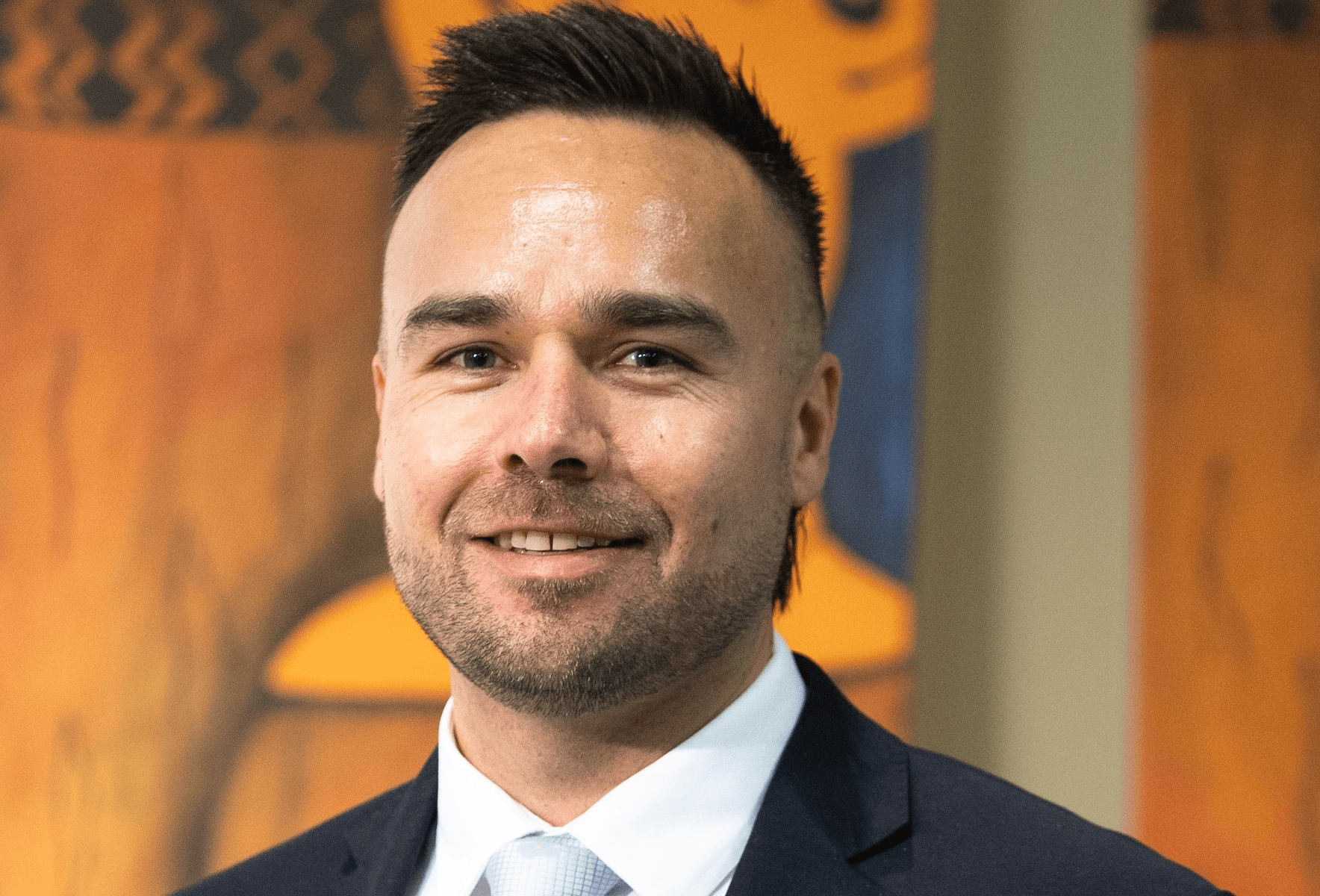
The Harkness Fellowships Trust (NZ) is proud to announce the selection of Hākopa Ashdown as the 2025 New Zealand Harkness Fellow.
Hākopa Ashdown, (Te Aupōuri, Ngai Takoto, Ngāti Kahu), currently Private Secretary to the Minister for Māori Development at Te Puni Kōkiri, will undertake a prestigious research residency at the Ash Center for Democratic Governance and Innovation, Harvard Kennedy School, later this year.
The Harkness Fellowships, administered in partnership with the Leadership Development Centre at Te Kawa Mataaho Public Service Commission, are among New Zealand’s most esteemed international awards for public sector leaders, supporting high-potential individuals to study or research in the United States for three to six months. The value of this year’s fellowship is $60,000.
The Fellowships aim to foster leadership, innovation, and the exchange of ideas between New Zealand and the US, empowering Fellows to address pressing challenges and drive positive change upon their return.
Ashdown’s project, Lessons Learned from the United States – Indigenous Economic Growth and Development in Underserved Communities, will examine successful US policies and initiatives that have accelerated economic growth for indigenous and economically disadvantaged communities.
His research seeks to understand how Special Economic Zones have attracted private capital into low-income communities designated as ’Opportunity Zones’, and how communities have established their own Community Development Financial Institutions (CDFIs) to address access to capital issues. Through the Fellowship, he will generate practical recommendations for New Zealand policymakers and iwi to improve economic growth.
“Hākopa Ashdown exemplifies the spirit of the Harkness Fellowship: a commitment to public service, a drive for innovation, and a vision for a more equitable and prosperous New Zealand,” says Aphra Green, Chair of the Harkness Fellowships Trust.
“His project promises to deliver real impact for Māori and for all New Zealanders, and we are delighted to support his journey.”
Dave Samuels, Secretary for Māori Development, Te Puni Kōkiri, added:
“We are very proud of Hākopa and delighted with his selection as the 2025 New Zealand Harkness Fellow. Hākopa joins a prestigious line of Māori leaders who have been awarded the Fellowship, including Kara Puketapu, Whaimutu Dewes, Dr Pauline Kingi, Hon Shane Jones, Hon Dr Shane Reti, Doug Jones, Peter Douglas, Anake Goodall, and Chief Judge Dr Caren Fox.
“We wish him well for his time at Harvard and look forward to following his work on community-led solutions and economic growth.”
Ashdown brings a distinguished record of leadership and service to the Fellowship. With nearly two decades of experience spanning roles in government, iwi, and community organisations, he has contributed to cross-agency initiatives such as Whai Kāinga Whai Oranga and the National Direction on Papakāinga, and holds a Master of Science in Psychology (First Class). He is also an active participant in iwi governance and a recipient of multiple leadership awards.
Reflecting on his selection, Ashdown said:
“I am honoured to be named the 2025 Harkness Fellow. This is a unique opportunity to learn from leading thinkers and practitioners at Harvard and across the US, and to bring back innovative ideas that can help accelerate economic growth and support community-led development. My goal is to forge new partnerships, share practical solutions, and inspire collaboration between government, iwi, and communities in Aotearoa.”
Ashdown’s research will include case studies, stakeholder engagement, and community visits in the US, culminating in a policy brief and a series of dissemination hui for New Zealand audiences. He will also participate in executive leadership programmes offered by Harvard.
The Harkness Fellowships Trust congratulates Hākopa Ashdown and looks forward to the insights and connections he will bring back to New Zealand.
About the Harkness Fellowships Trust
The New Zealand Harkness Fellowships Trust Board established the New Zealand Harkness Fellowships in 2009 to reinforce links between New Zealand and the US and to enable executive leaders in the Public Sector to benefit from study and travel in the US.
The Fellowships offer emerging leaders in the public sector the opportunity to spend 3-6 months undertaking research in the United States. The fellowships enable successful candidates to gain first-hand knowledge and build contacts in their chosen field of endeavour that will be highly relevant to the NZ context and future NZ/US links.
The Trust Board works to administer the fellowships in partnership with the Leadership Development Centre, which is acting on behalf of the Public Service Commission. The current fellowships continue a Harkness fellowship programme that stretches back over sixty years.


