HARKNESS
FELLOWSHIPS TRUST

Fellows in the spotlight: Aphra Green
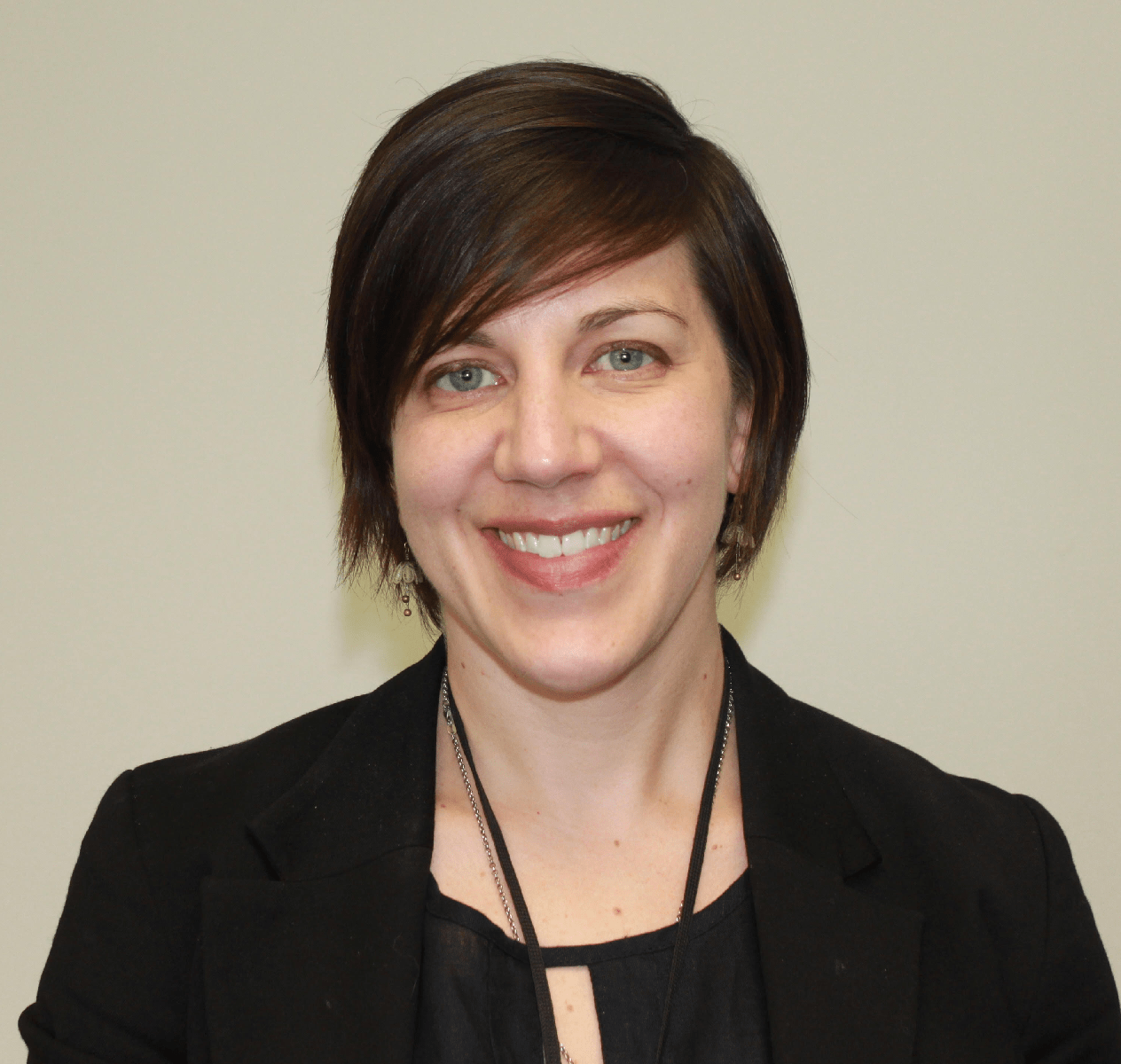
In 2016, Aphra Green, then a senior manager at the Ministry of Justice, visited the US justice sector as a Harkness Fellow.
Her research looked at how New Zealand could deliver better evidence and decision-making tools to criminal justice system decision-makers, particularly for bail.
Now a Now a Chief Advisor at the Social Wellbeing Agency, following terms served in deputy chief executive roles at Oranga Tamariki, Aphra reflects on the opportunities she gained from her Harkness fellowship experience.
What are your memories of being a Harkness Fellow in the United States?
“My time in the US was incredibly formative – both personally and professionally.
“I was lucky to be there during a period of innovation and transformation in their electoral cycle – justice system reform was imperative for the US given its high prison population, and significant Federal funding was being provided to shift how justice systems in the US worked to taking an evidence-informed and collaborative approach.
“New Zealand was in a similar position of having a very high prison population and the need to innovate. We were also doing some very similar innovation, particularly in the area of cross-sector collaboration – so it was great to be able to share with the US what we were learning – and to learn from them.
“Taking a more strongly evidence-based approach was also something we were in the early stages of doing, so again there was a lot to learn from the US in this regard.”
What was the most useful aspect of the fellowship?
“It was being able to take time away from my day job to have a period of concentrated learning – it was an incredibly creative period for me, rejuvenating my passion for being a leader in the public service and in the ability of government to create positive change in society.”
How did you apply what you learned during your fellowship to your work at the Ministry of Justice?
“In addition to all of the ideas I picked up in the US, the biggest thing was the contacts and relationships that I brought back with me. These were invaluable to the justice sector’s work, and when we ran the Justice Summit in the following year, many of the leading thinkers and innovators I had met while in the US were able to come to NZ to continue the collaboration, and a number have even visited NZ in the years since.
“One of my key areas of focus was bail decision-making, and some of the ideas and contacts that I was able to bring back informed the establishment of the Bail Support Service – a new service that is similar to Pre-trial Services that run in the US.”
As a senior public servant, what are your thoughts on the attributes we need in emerging leaders in the public service?
“We need leaders who are future-focused, innovative, and able to connect people and ideas to get things done. More than ever, the problems that we are solving in government are multi-dimensional, so creative approaches are needed to their solutions.
“We need leaders in the public service who are able to recognise that government often doesn’t hold the solutions but it has an instrumental role in creating the space and providing the circumstances for solutions to arise – leaders who can bring multiple and disparate viewpoints together around a table, and then make something happen.”
NZ Harkness Fellowships to resume in 2023 in partnership with the Public Service Commission
After a three-year hiatus created by the Covid-19 pandemic, the New Zealand Harkness Fellowships will resume in 2023, with a refreshed focus on creating career-enhancing opportunities for emerging public sector leaders.
Applications will be advertised before Christmas, with applications due in the first quarter of 2023, allowing Fellows to travel from the middle of next year.
Key to the resumption of the Fellowships is a renewed partnership that the NZ Harkness Fellowships Trust Board has entered into with the Public Service Commission.
“While it has been frustrating being unable to run the Fellowship programme since 2019, it has given the board an opportunity to pursue the sustainable, long-term future of the NZ Harkness Fellowships,” says Harkness Fellowships Trust chair and past Fellow in 1997-98, Patrick Smellie.
A renewed focus on emerging leaders
The creation of a new relationship with the PSC, under the auspices of its Leadership Development Centre, will allow up to two Fellows annually to undertake exchanges in the United States and for the Fellowship programme to be further developed.
“Since they were first offered to New Zealand recipients in the 1950s, the Harkness Fellowships have been a prestigious award, offering life-changing opportunities and career development, mostly but not always to emerging public sector leaders,” says Smellie.
Administered by the Commonwealth Fund of New York, the Fellowships changed to focus on public health policy in the late 1990s, with a new NZ Harkness Fellowship established and administered separately, more akin to the traditional multi-disciplinary Fellowship.
A premier opportunity
A major grant in 2014, facilitated by the then Prime Minister, the Rt Hon John Key, secured the medium-term future of a shortened three-month Fellowship programme for two Fellows annually.
“Deepening our existing relationship with the Public Service Commission is a natural next step in securing the future of the Fellowships,” says Smellie.
The Public Service Commissioner, Peter Hughes, says his own experience as a Harkness Fellow had been transformative.
“Our vision is to make the NZ Harkness Fellowship one of the premier opportunities for emerging public service leaders in years to come,” he says.
How to apply
Details of the application and selection process will be announced in late November, with applications and selections in the first quarter of next year.In the meantime, potential applicants wishing to be kept informed of the process can register their interest by sharing their contact details via this form. You can also join our LinkedIn group for news and updates.
Harkness Fellows – insights from the USA
A report-back session live via Zoom
The Harkness Fellowships Trust and Fulbright New Zealand invite you to tune in for a Zoom webstream featuring insightful presentations from our three most recent Fellows, who spent time in the US, pre Covid-19, researching some of the biggest issues facing society.
In this report back session you’ll find out about the research our Fellows undertook in the US and how the insights they gained could inform policy and practice here in New Zealand.
Where: Via this Zoom link
When:Thursday 18 June at 4pm – 5.15pmWhat: Three brief video presentations followed by Q&A.
This Harkness report back session features…
Joe Beaglehole Senior Analyst at the Ministry for the Environment, spent three months at the Marron Institute at New York University researching tools and institutions to better accommodate rapid urban growth. He’ll discuss the insights he gained into land use regulation and urban policy and what they mean for New Zealand.
Donna Provoost, Director – Strategy, Rights & Advice at the Office of the Children’s Commissioner, was hosted by the Harvard University (Center for the Developing Child) and the University of Oregon (Center for Translational Neuroscience). She explored approaches to improving child wellbeing, particularly related to their sense of belonging, identity and agency. and met with over 150 people in university and research organisations, NGO think tanks and service providers, community leaders, and yes, even young people.
Doug Jones, former Manahautū (General Manager Māori) at the Environmental Protection Authority (EPA) and current Chief Executive of Ngāi Tāmanuhiri Iwi, was based at Massachusetts Institute of Technology exploring the environmental trade-offs, and costs that need to be considered when introducing new technologies (such as gene editing) to protect native species. He’ll outline lessons from the US experience for New Zealand’s own approach to emerging technologies.

 HARKNESS